

International Surrogacy Support & Fertility Guidance for Intended Parents
Trusted experts helping families navigate safe and ethical surrogacy journeys overseas.
For a FREE consultation
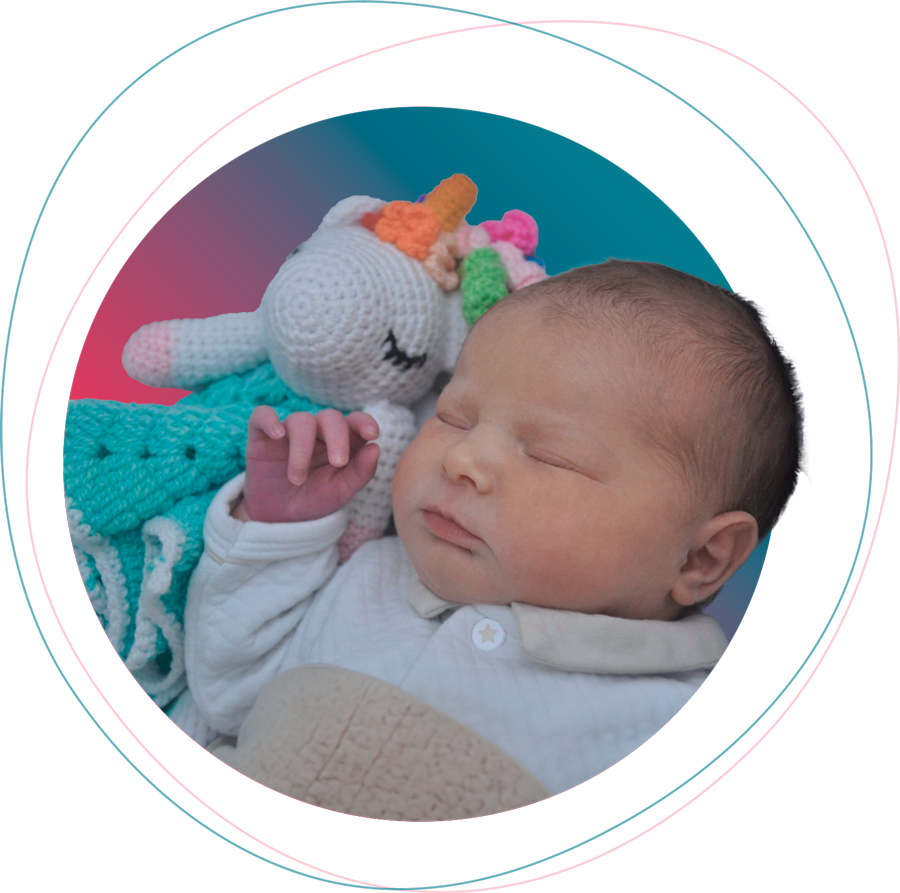
We Help You Build Your Family Through Ethical, Fully-Guided Surrogacy
Nest & Co specializes in supporting intended parents who are exploring international surrogacy, fertility options, and donor paths. We provide independent, unbiased guidance, helping you evaluate programs abroad, choose trusted clinics and agencies, understand legal processes, and feel supported at every stage.
- Independent guidance (we don’t sell surrogacy programs; we protect parents)
- Specialists in international journeys (Europe, North America, Latin America)
- Legal, medical, and logistical support
- We accompany or guide you 1:1 throughout the entire journey
- Transparent, ethical, parent-first approach
ABOUT US
Nest was created by us, Hélène and Louise, originally to keep supporting the families we were already working for in a previous company and help them finish their journeys.
Since then, we have worked in a number of different countries, with many types of families and have overcome many obstacles along the way.

“There’s no training required to practise my profession. You have to love people, listen to them and constantly try to give them access to the best possible conditions to help them become parents.”
HELENE

“Working in this sector for the last few years has made me realise that it’s not just a job but a vocation. It’s so incredible and unique that everyday I get to learn new things, meet and help wonderful people to realise their dream and create a lasting bond with them. For me there is nothing more gratifying than knowing that I have been a part in making a family whole.”
LOUISE

LYACOUT

“Working in surrogacy is more than just a job. Every day brings new lessons, wonderful people, and the opportunity to help dreams come true. There’s no greater joy than knowing I’ve played a role in making a family whole.”
ANYA
What Is Surrogacy?
Surrogacy is a fertility path where a gestational carrier becomes pregnant using IVF and carries a baby for intended parents. It is often chosen by:
- Couples facing infertility
- Single parents
- LGBTQ+ families
- Women unable to carry a pregnancy
- Parents with genetic or medical conditions
How International Surrogacy Works
International surrogacy requires carefully coordinated:
- Medical process (IVF, embryo creation, screening)
- Legal framework (local laws, parental rights, birth certificate)
- Matching with a surrogate
- Pregnancy monitoring abroad
- Birth planning & return-home documents
We guide you through every step so you feel confident, informed, and supported.
Why Nest & Co Is Different
Specialists in Global Surrogacy Options
We help you compare countries, agencies, and clinics based on legality, ethics, costs, safety, and success rates.
Parent-Focused & Independent
Unlike agencies, our role is to protect parents’ interests and ensure they choose the safest, most reputable path.
Experienced & Transparent
Our team includes professionals who have supported hundreds of intended parents through international programs.
Emotional & Logistical Support
We support you from your first questions to the moment you return home with your child.
Find more about International Surrogacy, USA Surrogacy, UK Surrogacy, and Europe Surrogacy.
OUR GOAL
Our main goal at Nest is to provide clients and their future families with the best possible options in safe destinations. We do this by working with trusted local partners, listening to, understanding and personalising each journey as though it were our own and adapting to any situation we are faced with.
TESTIMONIALS
Learn more about families we have helped
CONTACT US
FAQ: International Surrogacy
Is international surrogacy legal?
The legality of international surrogacy depends on the country. Some countries fully allow surrogacy for foreign intended parents, while others restrict it or ban it altogether. Always research local laws and work with licensed clinics or agencies to avoid legal complications.
How long does surrogacy take?
The entire surrogacy process usually takes 12 to 24 months. Timelines vary depending on the country’s legal requirements, finding a surrogate, medical procedures, pregnancy, and post-birth legal documentation.
Is surrogacy safe?
Surrogacy is generally safe when performed with proper medical care, ethical screening, and legal protection. Surrogates undergo health evaluations, psychological screening, and receive regular prenatal care to ensure a safe pregnancy and delivery.
What documents do I need for international surrogacy?
Necessary documents may include: Passports and identification, Medical records, Birth certificate (for intended parents), Marriage certificate (if required by the country), Legal contracts with the surrogate, Citizenship and parental documentation for the child. Requirements differ by country, so legal assistance is recommended.
Which country is most affordable?
Affordability varies by region. Countries such as Mexico, Georgia, and certain U.S. states are often considered cost-effective, offering transparent legal processes and quality medical care. Costs depend on surrogate compensation, healthcare, legal fees, and agency support.
What are the risks?
Some risks include: Legal disputes over parentage, Unexpected medical complications, Travel delays or restrictions, Citizenship and passport processing time for the baby. Working with a reputable agency and legal expert significantly reduces these risks.
Can LGBTQ+ parents do surrogacy?
Yes, LGBTQ+ individuals and couples can pursue surrogacy, but eligibility depends on the country. Some regions allow surrogacy for all family types, while others restrict it to heterosexual married couples. Choose a destination that supports inclusive legal rights.
How do I choose a reputable agency?
Look for agencies that: Offer legal support in both countries , Work with licensed fertility clinics, Provide psychological and medical screening for surrogates, Have transparent pricing and written contracts, Offer positive reviews, testimonials, and verifiable success rates
How much does international surrogacy cost?
Costs depends on location, medical fees, surrogate compensation, and legal expenses.
Can I use my own eggs or sperm in international surrogacy?
Yes, many programs allow intended parents to use their own genetic material through IVF. Donor eggs or sperm are also available if needed.
Does my baby automatically get citizenship?
Not always. Citizenship laws vary by country and the parents’ nationality. You may need to apply for parental rights and a passport before traveling home. A legal expert can guide the process.